
The Crisp-Lined vs Relaxed Bag Styles: A Closer Look
Across decades of work, Salvatore Ferragamo has refined the visual grammar behind Italian leather goods, and that fluency is most visible in the tension between two distinct design philosophies: the precise, architectural shaping of structured styles set against the loose, casual comfort of slouchy shapes.
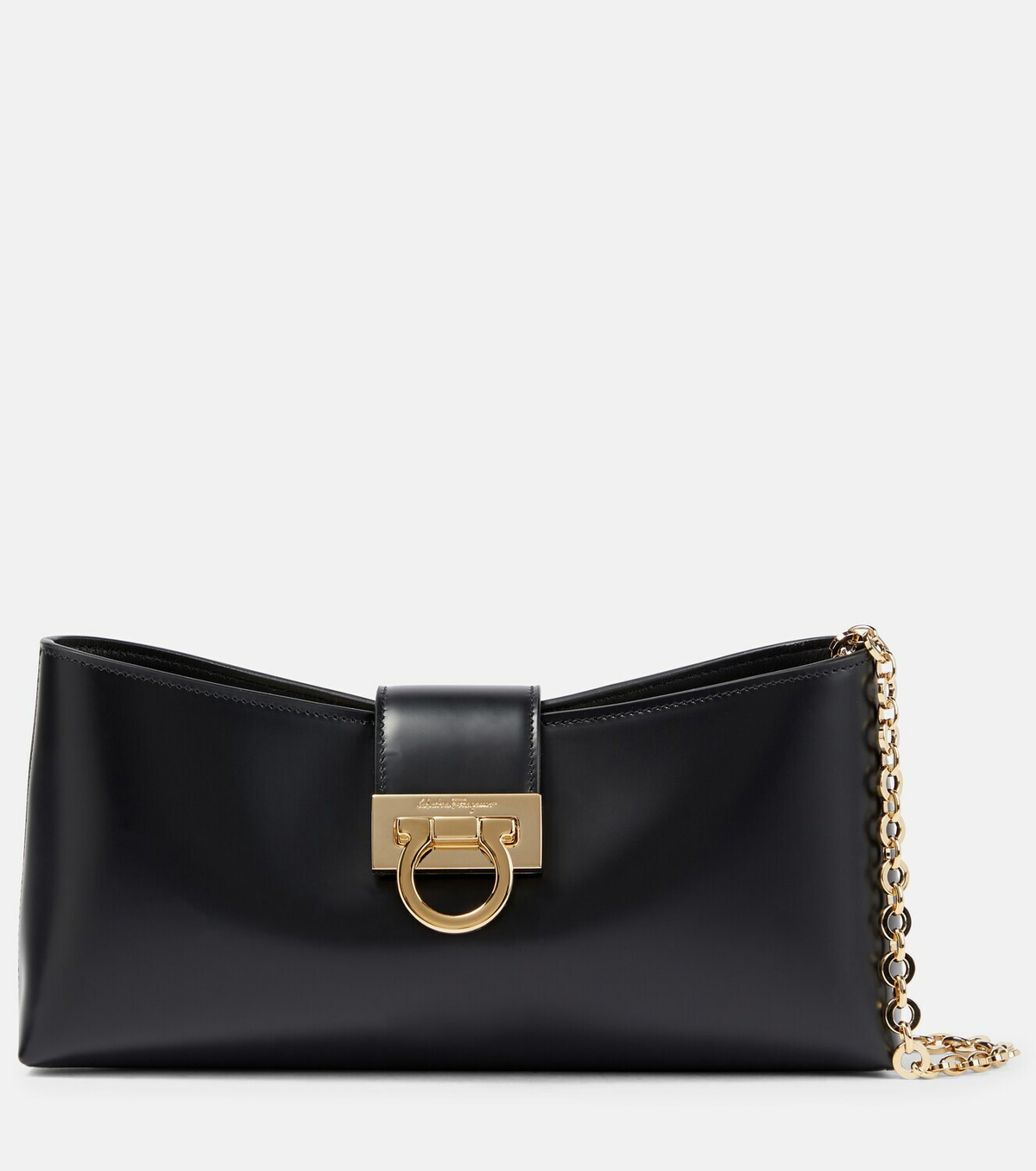
Browse a Ferragamo shop today and will notice that the brand refuses to commit to just one; instead, it crafts twin accessory collections—one grounded in structure, the other shaped by motion.
Grasping this distinction matters if you aim to select a piece that will truly prove its worth in daily rotation rather than sit in a dust bag.
Far from a cosmetic detail, this difference means something structural. Structured bags rely on built-in frames, reinforced panels, and meticulous seams to keep a set silhouette irrespective of how much you stuff them with. In the opposite direction, softer, unstructured styles lean on more supple leathers and a more relaxed build, causing it to shift shape depending on how you tote it. Both styles are present within the latest Ferragamo bags range, and each has loyal followings for very different reasons. Unpacking what distinguishes one from the other, where the construction differs, and which styles from the brand’s present lineup align with each camp is the focus of this piece.
What “Structured” In Practice Signifies in Tailoring Vocabulary
A tailored Ferragamo bag typically starts with a firm structural base, commonly supported by a firm board or dense foam insert stitched in between two layers of leather. As a result, the bag stays perfectly upright on a table, resisting any lean or collapse. Within the current lineup, the Ferragamo Studio bag stands out as the best illustration—its structured form, crisp edges, and top handle rely completely on this inner framework. Remove the stiffening and the same leather would simply fold flat.
For structured silhouettes, hardware matters more than people expect. ferragamo bag Since soft leather alone can’t support repeated stress at a single point without stretching or tearing over time, metal frames, turn-locks, and reinforced handle attachments all require a rigid body to anchor into. That’s why structured bags from Salvatore Ferragamo tend to feature more substantial closures, whereas slouchy styles rely more on zips or magnetic snaps that don’t require the same anchoring strength.
Also, leather selection isn’t the same. Structured pieces usually use full-grain or minimally treated hides that maintain a fold line precisely where it’s cut, lending that crisp, almost sculptural edge. Structured bags therefore photograph with such consistency for this reason — the silhouette stays the same from photo to photo, something that’s important for a Ferragamo shop aiming to show a product accurately online. What you give up is lower weight; structured bags typically come in heavier than their slouchy alternatives due to the reinforcement built inside them.
On top of that, bags with a defined structure are inclined to keep their secondhand value more steadily. Because the form won’t break down the way supple leather tends to sag or crease over time, a Salvatore bag with a defined structure bought now is more apt to still look polished in five years with routine care. For those regarding a Ferragamo bag as a lasting investment piece rather than a one-season pickup, this is a sensible point to weigh.
Our Argument for a Slouchy Fit: Ease, Gentle Texture, and Everyday Practicality
Rigidity is exchanged for comfort in relaxed-silhouette bags, and that trade-off brings genuine upsides. A softer hide, often napa leather or a faintly textured calfskin, shifts along with the wearer’s movement rather than fighting it, and that’s why relaxed hobo and shoulder silhouettes continue to be favored for daily commuting. In its more relaxed versions, the Ferragamo Wanda embodies this idea — it stretches to accommodate more while still looking sleek, because the leather is made to yield instead of pushing back.
Weight distribution shifts with a slouchy build as well. A lighter overall feel is a byproduct of fewer structural and reinforcing elements inside, and this matters over an eight-hour workday when it remains balanced on a single shoulder. Buyers researching the best Ferragamo bags for travel often gravitate toward slouchy styles specifically because they compress slightly to fit into carry-on luggage without holding a fixed, space-consuming shape.
Beyond the practical side, the style case matters too. Those who prefer their Salvatore Ferragamo bags melt into day-to-day looks rather than announce themselves gravitate toward softly slouched styles, which read as more understated and less conspicuously logo-driven. Across denim, tailored trousers, and similar outfits, a rigid, structured piece would feel visually at odds with the overall look, which is why that loose, easy drape works particularly well.
There’s a durability consideration worth addressing candidly. Supple leather more readily develops visible folds and fine wrinkling over time, above all when the bag goes unstuffed for stretches or stored improperly. It shouldn’t suggest it deteriorates more quickly in a structural sense, but the appearance will evolve more noticeably than a firmer-bodied bag. Anyone wanting a soft-shaped bag to look nearly new years down the line need to be more diligent about filling it with tissue paper during storage.
Weighing the Two Strategies Side by Side
To bring the difference down to earth, it’s useful to look at how structured and slouchy Ferragamo bags tend to measure up across the factors that matter most to a real buyer: shape retention, weight, everyday flexibility, and how they age.
| Factor | Structured Styles | Relaxed Styles |
|---|---|---|
| Silhouette hold | Keeps a unchanging form no matter contents | Silhouette shifts depending on how it’s loaded and held |
| Average heft | Heavier due to built-in support | Lighter, more comfortable for all-day wear |
| Where it shines | Workplace environments, dressy occasions, minimalist wardrobes | Travel, casual daily use, outfits built in layers |
| Wear patterns | Maintains clean edges across years of wear | Builds up soft creasing; a patina full of character |
| Metal detailing | More prominent locks, frames, and fastenings | More understated zips or magnetic closures |
| Care demands | Barely any — the form holds on its own | Needs filling to guard against set-in folds |
No single option outranks the other; the better pick depends entirely on how someone actually lives with a bag day to day. Those driving to a formal workplace tend to lean on structured pieces more often, while a frequent traveler or public-transit rider may find a slouchy bag more comfortable in the long run.
Breaking Down the Latest Ferragamo Bags Overview by Type
Scanning the latest Ferragamo bags overview, the house arranges its offering loosely into three functional tiers: top-handle structured bags for formal or office use, crossbody and shoulder styles that strike a middle ground between rigidity and relaxation, and loose, hobo-inspired bags made for capacity and ease. This category system means a shopper can shift across tiers based on what’s needed without stepping outside the label’s world.
Ferragamo’s tailoring heritage shows up most strongly in top-handle styles. Sharp-cut edges, balanced, even stitching, and hardware matched precisely to the leather tone often echo the brand’s footwear precision. This is why, this category tends to dominate lists ranking top Ferragamo bags for office-appropriate use, given its reliable silhouette across desks and meeting rooms.
Crossbody designs occupy the middle ground and are by some measures the most versatile in the present collection. These pieces generally rely on a semi-structured construction: firm enough to hold shape when worn close to the body, but with sufficient flexibility in the strap and sides to steer clear of a stiff look. These styles regularly appear in lists of Ferragamo’s standout bags for those wanting a bag that’s photogenic yet durable enough for daily errands.
Rounding out the collection are soft-form hobo and tote designs, the tier in which the brand most fully commits to supple hide selection. With expansive panels and reduced seaming, firmness eases while the material takes center stage, with fewer seams to distract from it. Buyers comparing the best Salvatore Ferragamo bags across categories will likely find this softer tier leads in comfort but falls behind in formal-occasion versatility.
Picking the Right One of the Two for Actual Daily Use
The smartest method to decide is to audit your own week instead of your ideal fantasy. Tally the days spent anchored at a desk against those spent shuttling between places, and be honest about whether you’re someone who clears out their bag every evening or keeps it packed for weeks at a stretch. Structured bags reward habit and predictable use; relaxed, unstructured bags reward flexibility and tolerate unpredictable use.
Price considerations also shape this decision, if indirectly. Because structured bags require more components — inner reinforcement, structural lining, strengthened hardware fittings, exact panel construction — manufacturing them typically takes more work hours, which can be mirrored by how comparable sizes are priced by a Ferragamo shop across both categories. It’s not an absolute pattern, but it’s something worth being aware of if price weighs into the decision alongside aesthetics.
More than most buyers expect, climate and regional habits play a bigger role. In humid environments, softer slouchy leathers can absorb more moisture and need more upkeep, while structured bags with finished or sealed leather sections tend to hold up somewhat better against the elements. Anyone shopping ferragamo bags for year-round use in a variable climate should factor this into the decision instead of basing the choice on looks alone.
At the end of the day, plenty of Ferragamo owners eventually acquire one of each — a rigid-frame option for formal or unforeseen occasions, and a slouchy piece for daily life that doesn’t need to perform under scrutiny. This combination mirrors the way the brand approaches its own collections: not through a single design lens, but as a pair of consistent responses to two separate everyday needs, both realized through an identical dedication to Italian leather craftsmanship that has characterized Salvatore Ferragamo from its earliest days.