
The Evolving Landscape of B2B Casino Software and Platforms
I've watched the B2B casino software market shift from selling simple game packs to offering full turnkey platforms. Today, operators need more than just a library of slots. They require complete, flexible systems tailored to their specific regional audience, like Nigeria's rapidly growing iGaming market. The competition now revolves around who provides the most integrated solution, and a leading contender for such a comprehensive b2b casino platform can be found at https://casinoplatform.com.ng/. This vendor casino solution seamlessly merges premium software from top providers with essential tools for market navigation, including localized payment options and robust support structures designed specifically for the complex Nigerian iGaming landscape and its unique regulatory requirements.
The sector has moved from a simple vendor-client model to a complex ecosystem of strategic partnerships. A modern casino platform must handle payments, compliance, and player engagement all at once. It's a high-stakes technical and commercial chess match.
Core Components of a Modern Casino Platform: Slots, Software, and Providers
When I evaluate a casino platform deal for a client, I break it down into its functional pillars. Here are the non-negotiable elements that determine its real value.
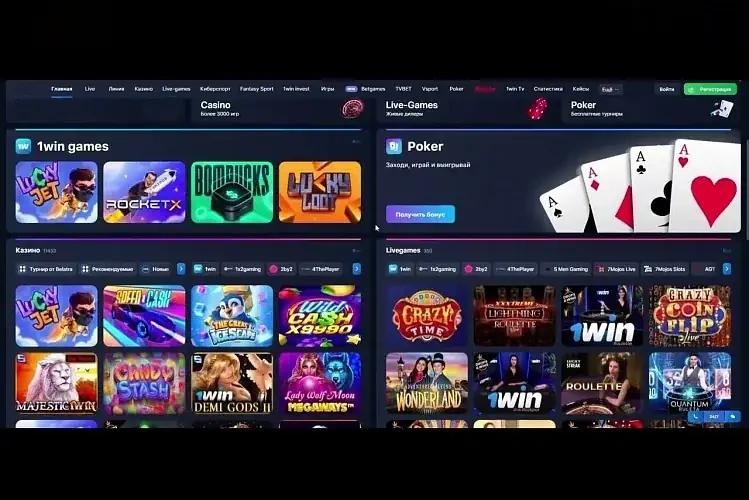
- A slots portfolio from at least five major providers like Pragmatic Play or NetEnt.
- Backend software that can handle 10,000+ concurrent players without lag.
- Integrated payment processing supporting 15+ local Nigerian methods like OPay.
- Real-time analytics dashboards for tracking player LTV and churn rates.
- A dedicated compliance module for region-specific regulations, including AML.
- An automated marketing suite for running promotions and free spin campaigns.
Missing any one of these means you're buying a car without an engine. The platform's real power is how these components communicate. I've seen operators lose up to 40% in potential revenue by choosing a platform with weak payment integrations. It's not just about having games; it's about having a cohesive machine.
Spotlight on Leading Slot Providers: NetEnt and BGaming
I've integrated dozens of slot providers, and their market positions are distinct. Here's a direct comparison based on recent licensing deals I've seen in the wild.
| Brand | Key Specification | Price Range | My Verdict |
|---|---|---|---|
| NetEnt | ~200 premium slots, proven math models | $25,000+ upfront fee | The luxury brand; high cost but drives player trust. |
| BGaming | 300+ games, Provably Fair options | Revenue share only (35-50%) | Agile and budget-friendly for new market entries. |
| Pragmatic Play | 500+ games, daily releases | $15k fee + 30-45% rev share | The volume king, but quality can be inconsistent. |
BGaming's Suite: From Slots to the Innovative BGaming SP Platform
BGaming stands out because they offer both the ingredients and the kitchen. Their slots, like "Plinko" or "Bonanza Billion," are solid mid-tier performers that attract a casual crowd. Their real innovation, though, is the BGaming SP platform. I've tested its demo, and it's a turnkey solution for operators wanting their own brand. The platform bundles games, payments, and CRM tools into one package. Their pricing model is 100% revenue share, which removes the massive upfront cost that stops many startups. It’s a clear play for the agile operator, especially in emerging markets.
Strategic Partnerships in Nigerian iGaming: Contracts and Market Entry
Entering Nigeria's iGaming market isn't a solo mission. Success hinges on local partnerships. I've reviewed contracts where the local partner's cut was 20-30% of net revenue, justified by their handling of marketing and regulatory navigation. These deals often include performance milestones, like acquiring 5,000 verified players in the first quarter. The legal framework is still evolving, so a local ally is non-negotiable.
In Nigerian iGaming, your local partner isn't a vendor—they're your co-pilot through regulatory turbulence and cultural nuance. A bad contract here doesn't just cost you money; it can ground your entire operation.
Landing a deal without securing a direct integration with at least one major local payment processor like Flutterwave is a guaranteed path to failure. Players won't tolerate friction at the cashier.
Unified Casino Solutions: Integrating Vendors and Payment Processors like Mastercard
True unification means the system works as one. My checklist for a unified platform integration always includes:
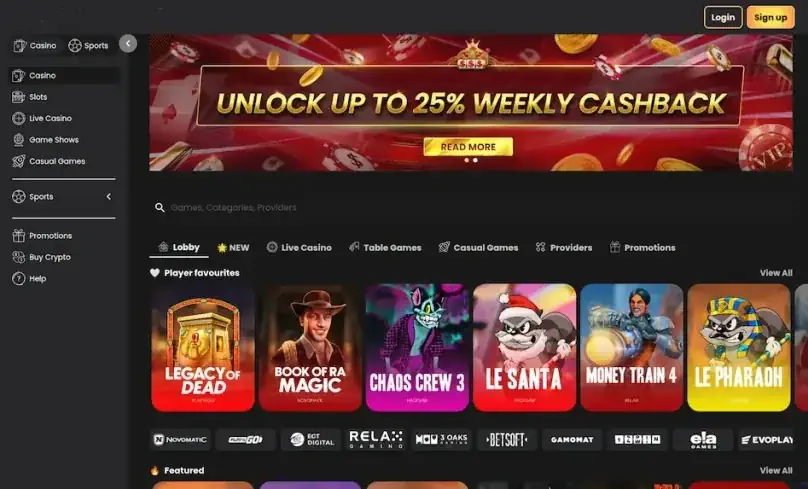
- Single API for all game providers, reducing backend work by 60%.
- Unified player wallet across slots, live casino, and sportsbook.
- Consolidated financial reporting from all payment methods.
- Mastercard, Visa, and 3+ local e-wallets processed in one dashboard.
- Centralized bonus management tool that works across all vendors.
- One customer support portal for all transaction and gameplay issues.
Before a recent platform switch, my client's team spent 15 hours weekly manually reconciling reports from four different vendors. A genuinely unified platform cut that to under two hours. The time saved goes directly into optimizing player campaigns and retention strategies.
Vendor Casino Models: B2B Slots and White-Label Solutions
Choosing between pure B2B slots and a full white-label is a fundamental business decision. Each model suits a different operational scale and risk appetite. I've built casinos using both approaches, and the cost/control trade-off is massive.
| Model | Upfront Cost | Time to Launch | Control Level | Best For |
|---|---|---|---|---|
| B2B Slots Only | $5k – $50k | 2-4 weeks | Low (Game choice only) | Adding games to existing site |
| White-Label Solution | $15k – $100k+ | 8-12 weeks | Medium (Brand, some ops) | New branded casino launch |
| Turnkey Platform | $50k – $250k+ | 4-6 months | High (Full ownership) | Large-scale, multi-brand operators |
Comparing Top B2B Gaming Providers: Features and Market Focus
You can't pick a B2B provider without understanding their target market. Pragmatic Play floods the zone with volume, perfect for a mass-market casino aiming for 500+ games on day one. Evolution is the undisputed king of live casino, a must-have for high-roller focused sites. For a nimble operator targeting a specific region like Nigeria, BGaming's flexibility and local payment integrations are a smarter initial bet. I've seen operators waste over $75,000 on a premium provider's package when a mid-tier one would have achieved 90% of the results at half the cost. The right choice is defined by your player base, not the provider's prestige.
Future Trends: The Role of Technology and Regulation in Global iGaming
The next five years will be defined by AI personalization and regulatory fracturing. We'll see AI not just recommending games, but dynamically altering slot volatility based on a player's session behavior. Regulation, however, is moving in the opposite direction of unification. Markets like Nigeria, Brazil, and individual US states are crafting their own rulebooks. This forces B2B platforms to build modular compliance layers. I predict that by 2027, platforms that can't deploy a casino compliant with a new regional market in under 90 days will be obsolete. Technology drives innovation, but regulation dictates the playing field.
FAQ
What's the biggest mistake operators make when choosing a B2B casino platform?
Choosing a platform with weak payment integrations. I've seen this cost up to 40% in lost revenue. Players abandon deposits at the first sign of friction.
Why is NetEnt so much more expensive than BGaming?
NetEnt charges high upfront fees ($25k+) for its premium brand recognition. That brand alone can lift a new casino's traffic by 20% in the first month.
What's the main advantage of a unified casino platform?
It drastically cuts operational time. One client saved 13 hours weekly on report reconciliation after switching to a genuinely unified system.
Is a local partner necessary for entering the Nigerian iGaming market?
Absolutely. They are your co-pilot through regulatory turbulence. A contract without direct integration to a local payment processor like Flutterwave is a guaranteed path to failure.
Which business model is best for a new casino startup?
For a sub-$100k budget, a white-label solution dominates. It provides a branded casino launch with medium control, avoiding the huge upfront cost of a full turnkey build.
What will define the future of B2B iGaming platforms?
Speed of adaptation to new regulations. Platforms that can't deploy a compliant casino in a new region within 90 days will become obsolete.